In Feurs, in the Loire region, an innovative pilot program combines education, well-being, mental health, and artificial intelligence to create a happier school.
UNESCO’s global “Happy Schools” initiative is based on the belief that happiness and well-being are both essential prerequisites and goals of quality education.
As part of its cooperation agreement with the Lycée du Forez in Feurs,the Albatross Foundation helped secure the school’s selection as a pilot high school to test this ambitious initiative, thanks to its mental health coordinator, Ms. Juliette Fernandez.


Step 1: A participatory assessment of well-being in schools
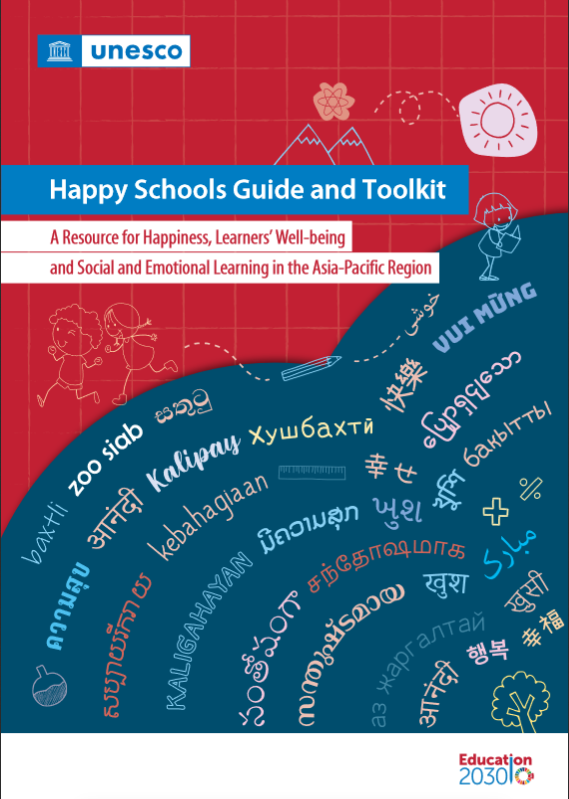
The project began with an assessment based on UNESCO’s Happy Schools tool, which is structured around four pillars: people, educational processes, the environment, and educational principles.
Four questionnaires were used to gather the perceptions of high school students, parents, teachers, and school administrators regarding quality of life, interpersonal relationships, the school climate, and conditions conducive to learning.
The results, analyzed with support from UNESCO, led to an assessment report submitted in June 2025, identifying the school’s strengths and areas for improvement.
Step 2: Try out new tools for well-being
Since the start of the 2025 school year, the educational community has been working to implement initiatives tailored to the identified needs.
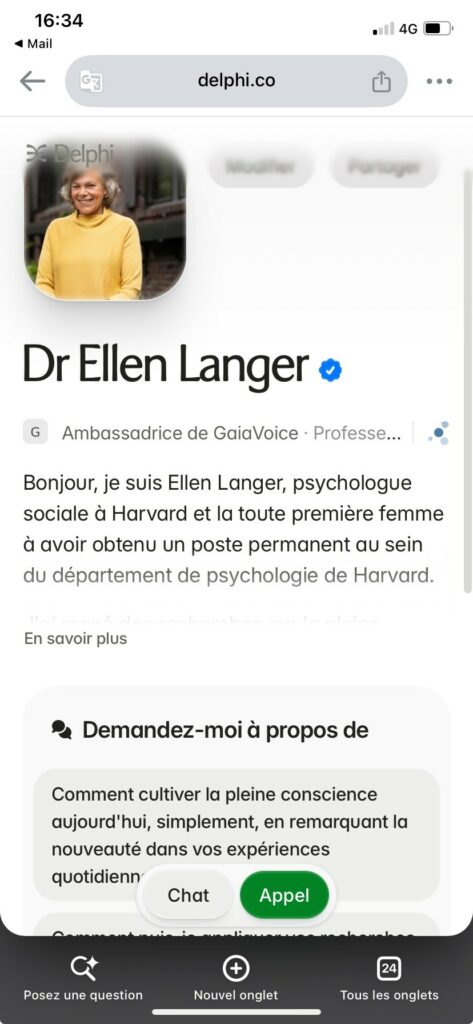
Among the innovations proposed by the Albatross Foundation is GaiaVoice – Finding Happy, a digital twin based on the work of Professor Ellen Langer, a Harvard psychologist and pioneer in mindfulness.
Using artificial intelligence, this tool allows users to interactively explore topics such as happiness, mindfulness, creativity, self-perception, and resilience.
This experiment builds on the “Finding Happy” educational program, developed with Professor Langer to encourage young people to take charge of their own well-being.
Step 3: Assess progress and share lessons learned
A new survey campaign will make it possible to compare the results with the initial assessment and to evaluate changes in the school climate and conditions that promote well-being.
The goal is to draw lessons from this pilot project and identify practices that could inspire other schools, both in France and internationally.
A Happy School for a Sustainable Future
Through this collaboration, the Albatross Foundation is contributing to the United Nations Sustainable Development Goals, particularlySDG 3—Good Health and Well-being,SDG 4—Quality Education, andSDG 17—Partnerships.
Because learning to be happy is also part of an education aimed at building a sustainable future.
Learn more: UNESCO’s Global Happy Schools Initiative
UNESCO’s “Happy Schools” Diagnostic Tool
The “Happy Schools” Diagnostic Tool and its User Guide support school communities in developing their own “Happy Schools” initiatives, tailored to their local contexts. They help school leadership teams prepare a school-level diagnostic report on the conditions that promote learning and well-being.
The results can help the school community highlight its strengths, identify areas for improvement, and reflect on them collectively, as well as collaboratively develop a “Happy Schools” Improvement Plan.
The Tool is a global public good and is available free of charge.
Schools can request dedicated technical assistance from UNESCO to implement the Tool and prepare the diagnostic report. They can also request support to facilitate the co-design of professional development pathways and school improvement plans tailored to their context, capacities, and needs.


